
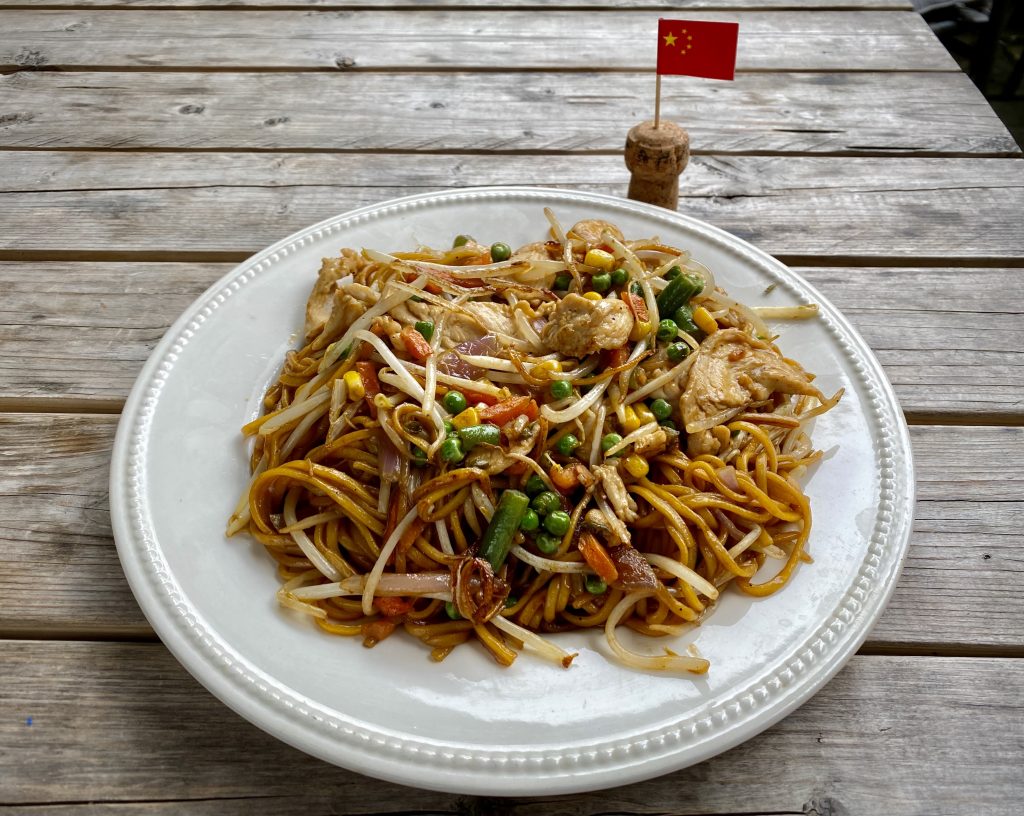
OK, so what’s a Chicken Chow Mein doing on The Tribudishional Food Blog? Granted, it’s a pretty common dish, and probably graces the menu of your local Chinese takeaway. It might even be your go-to meal when you have a takeout – it’s certainly one of mine.
But that’s just it… Sherwood’s Orchid Cafe isn’t such an establishment. By all intents and purposes it’s a regular, run-of-the-mill eatery, where you’d find all the usual English affair. Yet here, nestled right next to scampi, chips and mushy peas on the menu, was chicken chow mein.
With strong origins in Northern China, and a popularity that has since spread across the world, the distinguishing element of chow mein is its egg noodles. Indeed, the dish’s name (an Americanisation of the Chinese word chaomian) simply translates to “stir fried noodles”, differentiating it from the likes of lo mein, where the noodles are cooked separately before being added to to the other ingredients right before serving.
This is the first mistake many home cooks make when attempting to make a chow mein, something Melody Rivera of Tasting Table goes into in a post of her own. As she points out, chow mein’s noodles tend to be slightly crispier than in lo mein, as they have been in direct contact with the wok’s fierce heat throughout cooking. Also, as they get the same treatment as the stir fry’s vegetables and protein, they tend to take on a little more of the dish’s smoky flavour.
Whilst the latter was true for Orchid Cafe’s noodles (a good sign that they were stir fried), they lacked the crispy texture I had anticipated. One might therefore classify this as a ‘soft’ or ‘wet’ chow mein as opposed to ‘dry’… but that’s a level of specificity that is best left for another time.
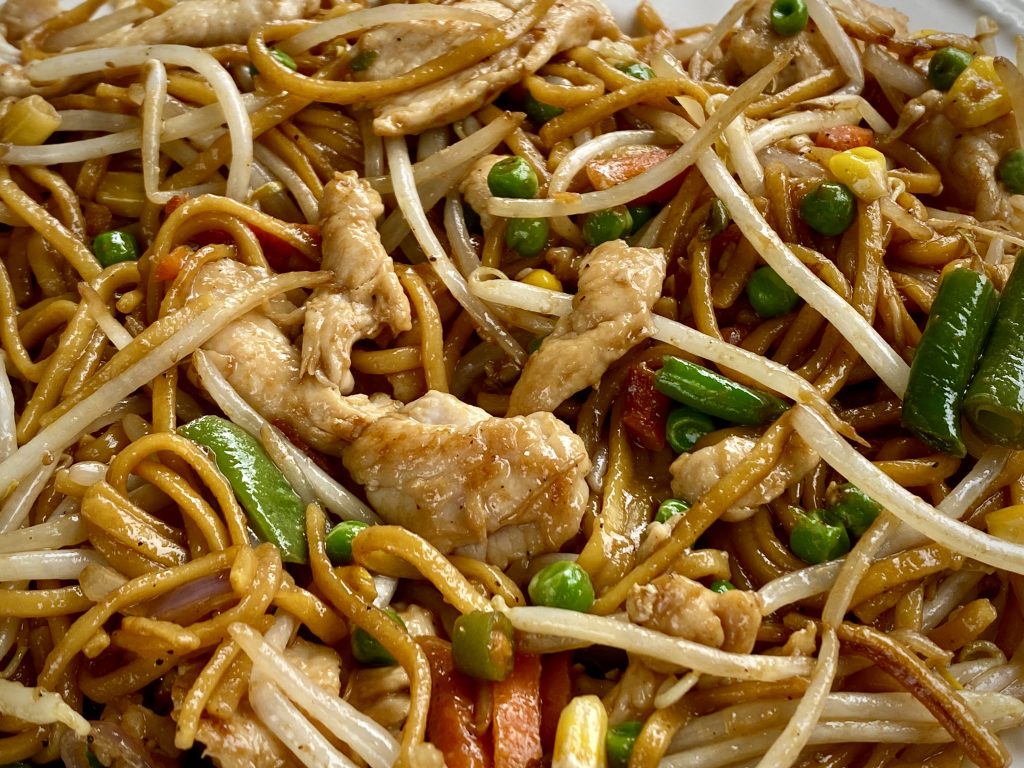
What struck me the most here, was the undeniably huge portion size. An abundance of vegetables accompanied the chicken and noodles: from beansprouts and julienned carrots, to green beans, peas and sweetcorn. I polished it off with ease of course… but I certainly felt as though my £8.70 had been spent well.
Strong umami undertones accompanied each vegetable, contributing to the classic chow mein flavour I’d hoped for. The highlight of all the additions though, were the shallots. They offered a beautiful sweetness to every mouthful, complimenting the saltiness of the sauce and balancing the beansprouts’ slight bitterness.
And let’s talk more about the sauce, for when it comes to distinguishing chow mein from other Chinese staples, the way the noodles are prepared isn’t shallot.
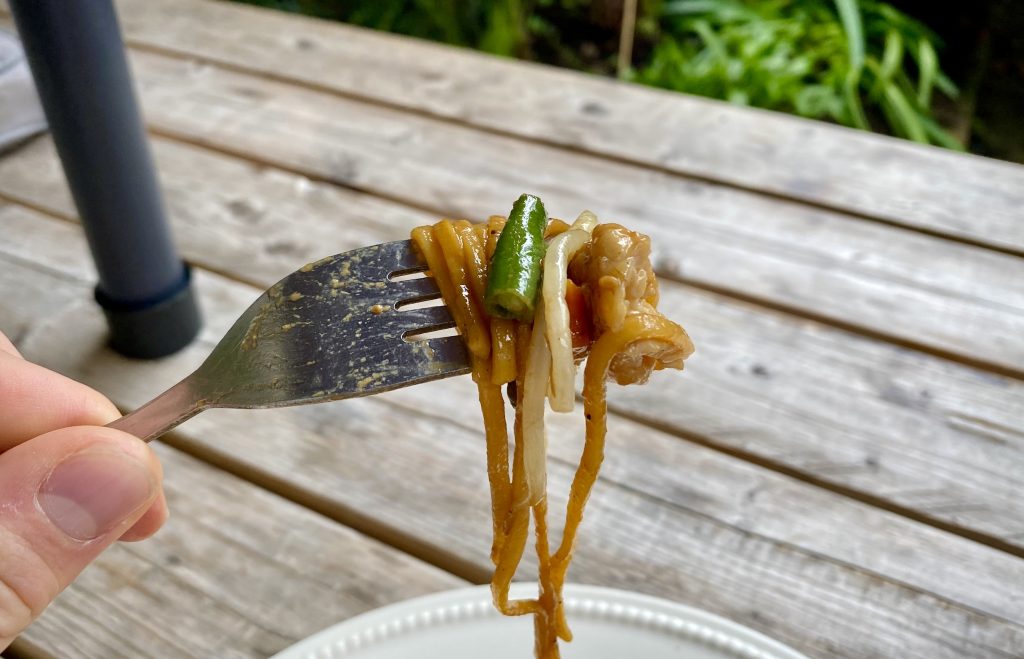
According to the people behind Nottingham’s Oriental Mart, chow mein’s signature sauce is much thinner than the gravy-like sauce you’d find in a chop suey, which is thickened with a greater amount of corn starch (home cooks take note). They are made with similar ingredients though, including soy sauce, Shoaxing wine and sesame oil.
All three of these probably featured in the chicken’s marinade too, along with salt and the corn starch. I’ve gone into detail on the importance of marinades in previous posts (see Common Room Cafe’s Bitoque or Friar Tuck’s Brown Stew Chicken for example), and their value in stir fries cannot be stressed enough. Without them, sliced chicken breast can become tough and dry very quickly during cooking, as moisture is easily lost in the heat of the moment.
Thankfully, my chicken had definitely been marinaded; its texture was undeniably more tender than it would have been without. There was a lot of it too, certainly enough to earn the ingredients’ rights in the dish’s title. We’ve all had takeouts before where you’ve had to hunt for the protein amongst a mass of noodles.
It goes without saying then, that when I have a desire for a chow mein in future, Orchid Cafe is where I’ll be heading. With a reasonable price, a portion size to satisfy any appetite, and an array of vegetables to fulfil your five-a-day, it rivals any takeaway I know of. Tribudishional score: 8.0/10.

©The Tribudishional Food Blog